Master peptides, hormones, and your life after 40.
- 90 minutes live, built for women 35+
- The exact lab panel to ask your doctor for
- Open Q&A, replay included

You're not crazy. Your labs were just never run.
Ninety minutes on what actually happens to your body between 40 and 50 — and the exact panel to ask for, so you stop being told everything looks fine when you already know it isn't. Including where peptides and hormone therapy actually fit, and where they don't.
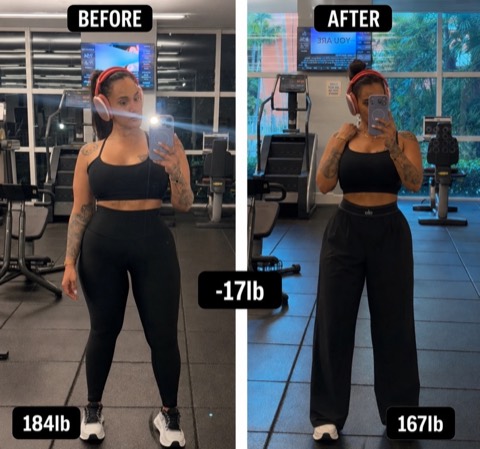
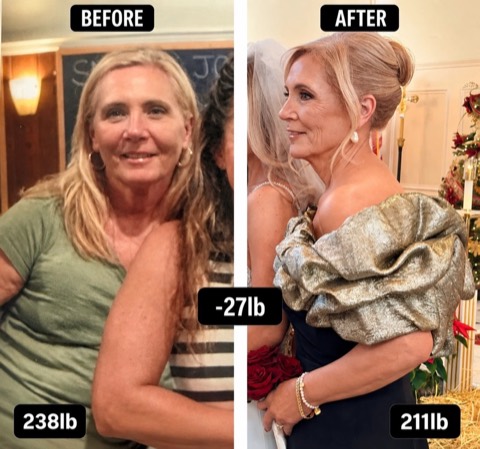
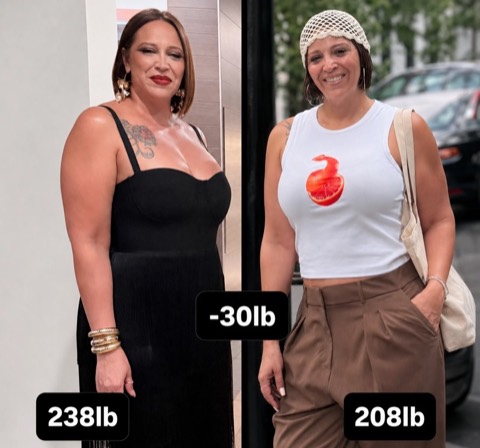
Eight to ten women call me every day.
Different cities, different histories, different doctors. It is almost always the same four complaints — followed by the same sentence about what their doctor said.
If you recognise yourself in this list, you are not an unusual case. You are the pattern.
Weight that won't move
The same food, the same effort, the same discipline that always worked — and a body that quietly stopped responding to any of it.
Brain fog
Walking into a room and standing there waiting to remember why. Losing the word mid-sentence. Reading the paragraph three times.
Desire that vanished
Not faded gradually — gone. And no obvious person to raise it with who won't make it awkward.
Sleep that broke
Trouble falling asleep, trouble staying asleep, and the particular cruelty of sleeping eight hours and waking up tired anyway.
“Your bloodwork looks fine.”
“That's just getting older.”
“You'll have to learn to live with it.”
Nobody in that appointment was lying to you. A seven-minute visit and a single blood draw are simply the wrong instruments for what's actually going on — and I can show you why on one chart.
Most women have never seen their own life graphed.
Your hormones from birth to seventy on a single line. The quiet years, puberty, the monthly rhythm that runs most of your adult life — and then the decade in the middle that almost nobody explains properly.
Between 40 and 51 estrogen doesn't fade out. It spikes higher than it ever did in your twenties, then crashes — sometimes inside the same month.
A blood test catches a single moment on that line. Land on a peak and you look completely normal. Land on a crash and you look postmenopausal.
Specialists don't diagnose this from one number — they diagnose on symptoms. You weren't dismissed because nothing was wrong. You were dismissed on timing.
The ninety minutes
Your hormones, birth to 70
The full picture on one line, and the decade in the middle nobody prepared you for.
Why one blood test said you were fine
What a single draw can and cannot tell you, and how the timing produced the wrong answer.
The collagen cliff
Up to 30% in the first five years after menopause. The symptom you can see in the mirror, finally explained.
The energy crisis
Your body is a car. Something is off with the engine, the fuel, or the technician — and it matters which.
Desire isn't one thing
Six causes that look identical from the outside, including the most treatable and least discussed.
The panel nobody ran
Exactly what to ask for, what each marker rules out, and what to do with the results.
How to walk into that appointment
Word for word — including what to say if you're brushed off a second time.
Open Q&A
The part I'm best at. Bring the question you've been too embarrassed to ask anyone else.
Who's running this
- 8-fig
- Built a women's skincare brand to eight figures. Featured in Rolling Stone.
- 40K+
- Women following his daily education across Instagram and TikTok.
- 8–10
- One-on-one consultations every single day, and has for years.
- Not MD
- A coach and researcher — not a physician, and he says so before you ask.
“Why is a man talking about women's health?”
Fair question, and I get it regularly. The honest answer is that this is a badly underserved group of people and very few are doing the work.
I spent years building a skincare company for women, which meant years of listening to women describe what was happening to their bodies. Then the same four complaints started turning up in nearly every conversation, and I realised almost nobody was giving anyone a straight explanation of why.
So now I take eight to ten calls a day and do exactly that. I'm not a doctor and I won't pretend to be one. What I can do is show you what's happening, tell you precisely what to ask for, and make sure you never walk out of another appointment feeling like you imagined the whole thing.
Everything you need for the next appointment
Wednesday, August 12 · 6:00 PM ET · Live on Zoom.
Replay included if you can't be there.
Seats capped so every question gets answered
Before you book
This is built for you if
- You're 35 or older and something changed that you can't explain away
- You've been told your bloodwork is normal and didn't quite believe it
- You want to understand the mechanism, not just be handed a protocol
- You're willing to book labs and have a real conversation with a clinician
Give this a miss if
- You want someone to tell you exactly what to take — that's a clinician's job, not mine
- You're after a diagnosis, a prescription, or a treatment plan
- You'd rather have a quick fix than an explanation
- You're not willing to go back to a doctor with what you learn
Before you decide
No, and I'm careful about that line. I'm a coach and a researcher, not a physician. Everything in the session is educational — built to help you understand what's happening and have a far better conversation with the clinician who actually knows your history. Nothing here replaces that person.
You don't. But I'd encourage it if you're comfortable. Part of what makes this work is seeing that you're in a room full of women going through the same thing — most of whom have never said any of it out loud either.
Everyone gets the replay and both guides, so nothing is lost. The one thing you can't get afterwards is the Q&A — that's where people ask the specific question they've been sitting on for months, and it's usually the most useful ninety seconds of the session for them.
Almost certainly not. Perimenopause commonly begins years before anything changes about your cycle, which is a large part of why women in their late thirties get told nothing is wrong. If the four things on this page sound familiar, you're in the right room.
Yes. A good portion of the session is about what else is moving underneath — sleep, thyroid, iron, blood sugar, muscle, bone — and what a full panel rules out. Plenty of women on HRT still feel off, usually because only one variable ever got addressed.
No. This is a teaching session and it's built as one. You'll leave with the panel guide and a clear next step, which is to book labs and go talk to your provider. At the end I'll mention the community I run for women who want to keep going. That's it, and you're free to ignore it.
Because free events get half their registrations showing up and a chat full of people who wandered in. A ticket means the room is full of women who genuinely want to be there, which makes the Q&A dramatically better for everyone in it.
You were never actually looked at.
Ninety minutes, one chart, and the exact list to hand your doctor.
Take a seat — $37 WED 12 AUG · 6:00 PM ET · REPLAY INCLUDED